For frequent flyers and corporate travelers, the difference between a pleasant journey and a restless flight is closely linked with seat dimensions. While price remains a major factor in searching for cheap flights, seat width and legroom directly affect productivity, rest, and overall satisfaction. In addition, both experienced and novice travelers should evaluate more than ticket cost. Remember that comfort plays a role in arrival readiness.
Top Airlines with the Widest Economy Seats
When comparing carriers, seat width is the first measure. According to economy seat width comparison studies, the airline with widest seats in economy usually offers 18–19 inches compared to the standard 17. Below are some top carriers for passenger comfort:
- Japan Airlines & ANA: Up to 19 inches on many long-haul routes, consistently ranked among the most comfortable economy class airlines.
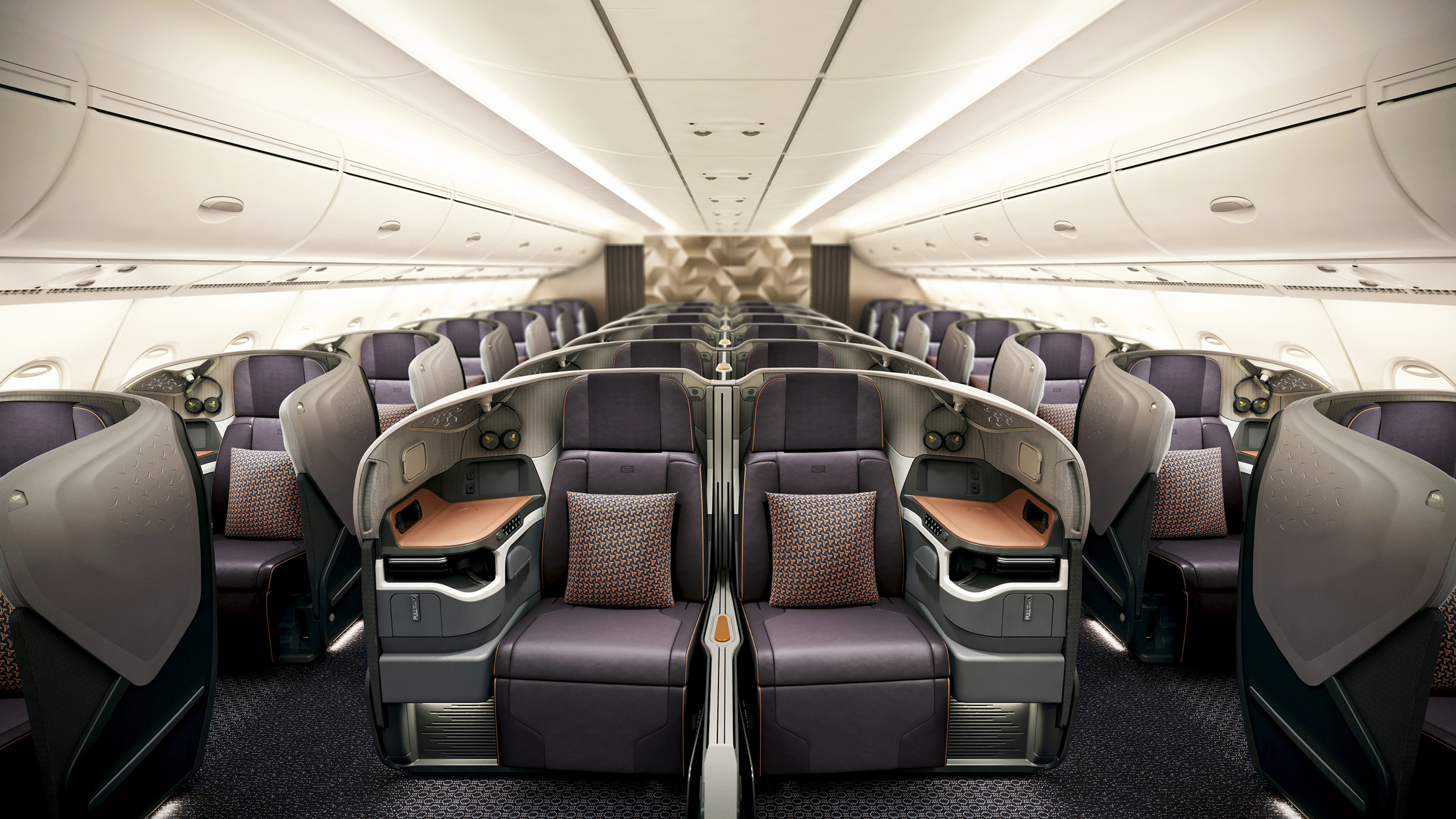
- Singapore Airlines: Economy rows with generous 18.5-inch width plus legroom at 32–34 inches.
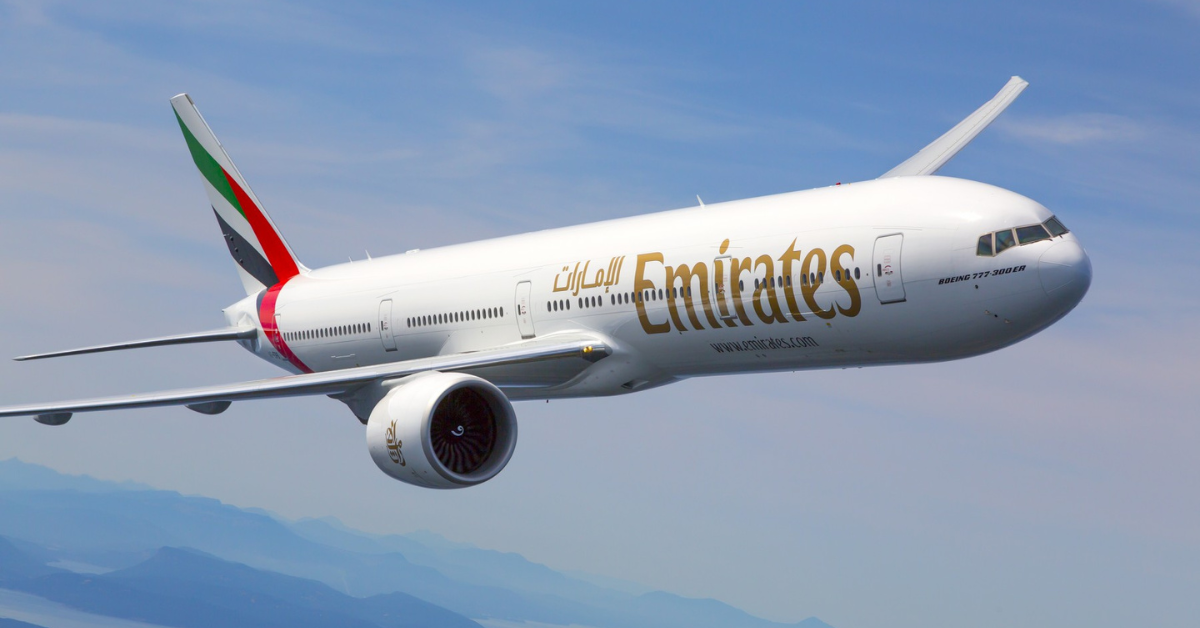
- Emirates & Qatar Airways: Known for wide seating paired with advanced inflight services, they often lead the economy class flight rankings.
- Delta & JetBlue (U.S.): Offer competitive comfort; JetBlue’s “Even More Space” provides extra legroom for domestic and transatlantic travelers.
Airlines Known for Narrow or Cramped Seats
Some carriers focus on maximizing passenger numbers over space. Ultra-low-cost companies frequently deliver widths under 17 inches. While they advertise air tickets at minimal rates, the tighter economy class seat dimensions can make longer journeys difficult. Passengers should be cautious when booking flights only by price without evaluating comfort trade-offs.
How to Choose the Most Comfortable Seat
Selecting the right option is a mix of research and timing. Review economy seat width rates before purchase. Use seat map tools to identify bulkhead or exit-row positions, often provided as airlines with extra legroom. For frequent business flyers, loyalty programs can grant priority access to premium economy-style seats at minimal cost.
Long-Haul vs. Short-Haul Comfort
On short domestic hops, narrower layouts may be tolerable. However, for intercontinental economy class bookings, the difference between 17 and 19 inches of width is significant for sleep quality and reduced fatigue. In group flight booking, this becomes more relevant since coordinated seating affects team productivity after arrival.
Airlines optimizing for long-distance flights
Carriers like Singapore Airlines, Japan Airlines, and Emirates have adapted cabins for long-haul trips. Furthermore, they prioritize both width and the best legroom in economy class, and such an approach allows the company to lead among the most comfortable carriers. Choosing such providers when searching air tickets online ensures balance between low price and sustainable comfort.
Seat space matters more than travelers realize. Whether selecting an airline with widest seats for an individual trip or coordinating through business travel services, the goal is arriving refreshed and ready. A smart approach blends cost analysis, dimensions, and passenger well-being. For professionals or families, focusing on the top airlines for passenger comfort ensures that every mile flown is not only efficient but also genuinely comfortable.


